Garage Door Spring Repair for Local Homes
Request an estimate today
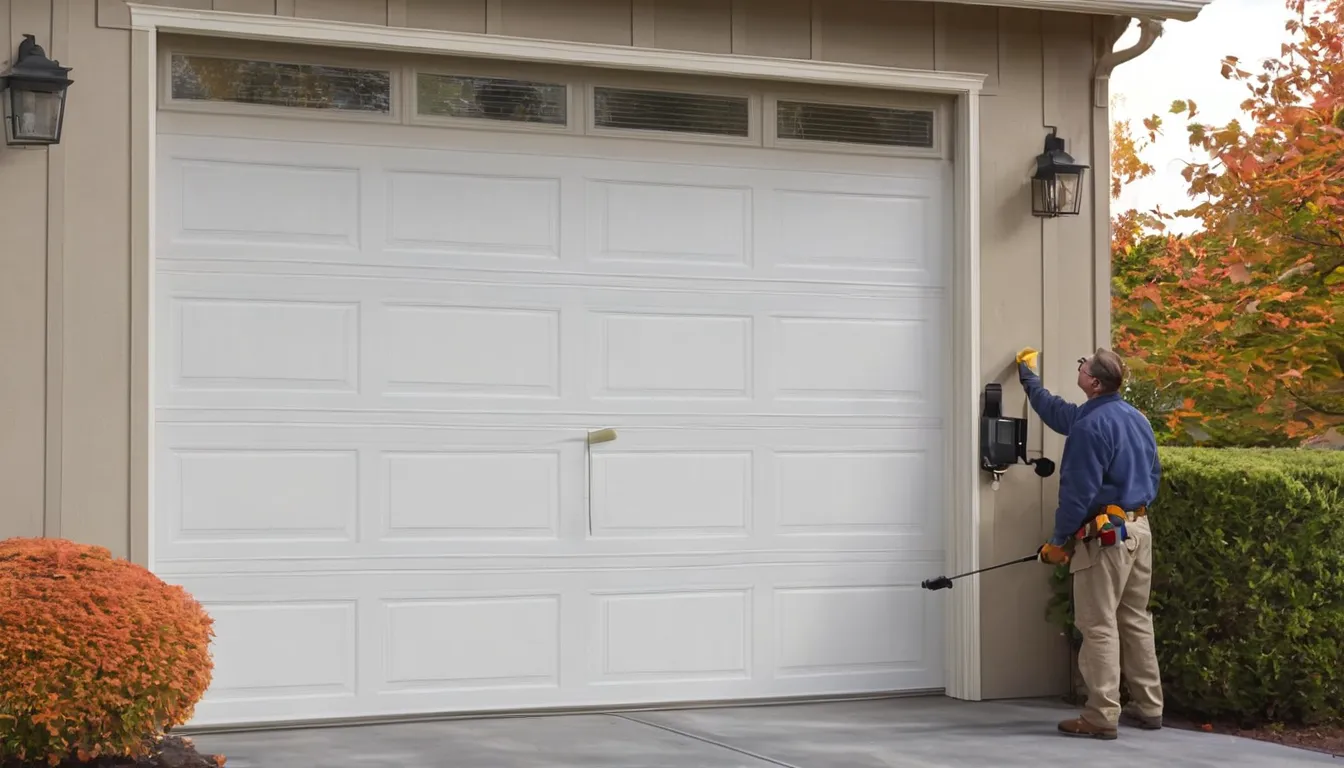
A broken spring can leave a garage door stuck, crooked, or too heavy to lift. It often happens with a loud bang, and it tends to show up when the weather turns. Regularlyprove Garage Doors is a referral service for homeowners in the College Park area. Tell us what is going on, and we match you with an independent local provider who handles the repair.
The provider does the work, not Regularlyprove Garage Doors. Expect them to check the spring type, the cables, and the track alignment before replacing anything. You should get a quote in writing that explains the parts and labor. Whether your home is a colonial, a split-level, or an older rowhouse, a matched spring keeps the door balanced.
Broken spring? Stop and step back
If you just heard a loud bang from the garage, pause. Do not run the door. Do not pull the red release cord unless the door is already down and you must get a car out. Keep kids and pets away.
A spring holds a lot of stored force. Even a broken one can hurt you. The cables and brackets nearby can snap or slip. Leave them alone.
Signs the spring has let go
Sometimes the sign is obvious. Other times it is quiet. Look for these:
- A sharp bang, like a firecracker, from inside the garage
- A visible gap in the coiled spring above the door
- Slack or tangled cables on either side
- A door that feels very heavy or will not stay open
- A door that lifts crooked, or only a few inches
- An opener that hums but will not move the door
If you see any of these, the safest move is to stop and ask for help.
How the seasons wear on springs
A spring bends and unbends every time the door moves. Over a year, that adds up. Cold makes metal stiffer, and swings between icy mornings and mild afternoons can leave moisture on the coils. Humid summers invite rust. Rust weakens the steel, so it snaps sooner.
That is why the first hard cold snap is a common time for a spring to give out. It is also why an early check is smart. Ready before winter beats a stuck car on a snowy morning, with a nor'easter on the way.
Torsion springs and extension springs
Most garage doors use one of two types.
Torsion springs
These sit on a bar above the door. They twist to lift it. They tend to last longer and lift more smoothly. Many newer colonial and split-level homes have them.
Extension springs
These run along the tracks on each side. They stretch and shrink as the door moves. They are common on older doors. They need a safety cable, since a broken one can whip across the garage.
A provider can tell you which type you have and whether to replace one spring or both.
Why this is not a do-it-yourself job
It can look simple in a video. It is not. Winding bars slip. Tension lets go fast. Injuries from spring work are a real risk, and most providers will tell you to leave it alone.
There is another problem. Springs from a store may not match your door's weight. The door ends up out of balance, and that puts extra strain on the opener motor.
What a spring visit usually includes
Every provider works a little differently. Still, a typical visit looks like this:
- A look at the door, springs, cables, and rollers
- Removing the broken spring and fitting the right size
- Winding and setting the tension
- Checking the cables and drums for wear
- Lubricating the moving parts
- Testing the balance and the opener
The right spring is matched to your door's weight, height, and track setup. Ask the provider to explain the match.
Track alignment and balance
A new spring will not fix everything. If the tracks are bent or loose, the door can still bind. Many providers check track alignment during a spring visit, since a crooked track wears out new parts fast.
A balanced door should stay put when you lift it halfway by hand. If it drops or floats up, the tension needs another look.
Standard or high-cycle springs
A spring is rated by cycles. One cycle is one open and one close. Standard springs often last around 10,000 cycles. High-cycle springs are built for more, often 20,000 or higher.
If your family uses the garage door many times a day, high-cycle may be worth the extra cost. If the door is rarely used, standard may do fine.
If the door is stuck shut
A stuck door can trap your car and wreck your morning. This is when emergency garage service matters. Request a callback to check provider availability, and ask when someone could come out. Many providers can respond quickly, though hours vary.
Does the opener need help too?
Sometimes a bad spring makes the opener work too hard. If the motor looks worn, a provider may suggest a new garage door opener. Do not rush into it. Ask whether the opener is truly failing, or whether the spring was the cause.
Questions to ask the provider
- Does my door use torsion or extension springs?
- Will you replace one spring or both?
- What cycle rating do the new springs have?
- Will you check the track alignment?
- What does the written quote include?
- Is there a warranty on parts and labor?
Getting the price in writing
Price depends on the spring type, size, cycle rating, and how many parts need replacing. Cables, rollers, and after-hours visits can add to the total. A quote in writing lets you compare fairly. Typical U.S. ranges are listed further down this page.
Plan around the calendar
Every season counts. Spring storms loosen hardware, summer humidity rusts coils, and winter is the hardest on the door. If your door is more than ten years old, ask for a spring check before the cold arrives.
What's Included
Spring inspection and matching
A provider checks spring type, size, and wear so the replacement fits your door's weight.
Cable and roller check
Worn cables and rollers get flagged before they snap or stall the door.
Track alignment review
Bent or loose tracks are checked so the new spring lasts.
Balance and opener test
The door is tested for balance and the opener for extra strain.
What Garage Door Spring Repair Typically Costs
Prices vary by door size, spring type, and the provider. The ranges below are typical across the U.S., not a promise. Ask for a written quote that lists parts, labor, and any extra fees before work begins.
| Item | Typical range | Notes |
|---|---|---|
| Single torsion spring replacement | $150 – $350 | Many providers suggest replacing both |
| Pair of torsion springs | $200 – $500 | Keeps the door evenly balanced |
| Pair of extension springs | $120 – $300 | Safety cables may be extra |
| High-cycle spring upgrade | $100 – $300 more | Adds life for busy doors |
| Cable or roller replacement | $100 – $250 | Often found during the visit |
| Track alignment adjustment | $75 – $200 | Depends on how bent the track is |
How It Works
Describe the problem
Tell us about the bang, the gap in the spring, or how the door is acting.
Get matched
We connect you with an independent local provider in your area.
Review the quote
Look over the written quote for parts, labor, and spring type.
Schedule the visit
Pick a time with the provider, then ask about balance and track checks.
Why Call Regularlyprove Garage Doors
Seasons shape the timing
Cold, damp, and storms all affect springs, so we talk about timing.
Plain pricing
We explain what drives the price, and you can ask for a quote in writing.
Safety-first advice
Springs are risky to handle, so we point you to a provider, not a shortcut.
Independent providers
Local providers do the work, and you stay in charge of the choice.
Other Services
Need garage door spring repair in College Park?
Tell us about your garage door and request an estimate. Regularlyprove Garage Doors will connect you with an independent provider in the College Park area.
No obligationGarage Door Spring Repair FAQ
How do I know if my garage door spring is broken?
Common signs are a loud bang, a gap in the coil above the door, slack cables, or a door that feels very heavy. If you notice any, stop using the door and ask a provider to look.
Is it safe to replace a garage door spring myself?
It is risky. Springs hold strong tension, and winding bars can slip. Parts that do not match your door can also cause balance problems. Most homeowners are safer hiring an independent local provider.
How long do garage door springs usually last?
Standard springs often last around 10,000 cycles, which may be several years for a typical home. High-cycle springs can last longer. Weather, rust, and daily use all change the real number.
Get in touch
Tell us about your garage door and request an estimate. Regularlyprove Garage Doors will connect you with an independent provider in the College Park area.
No obligation